

 espresso

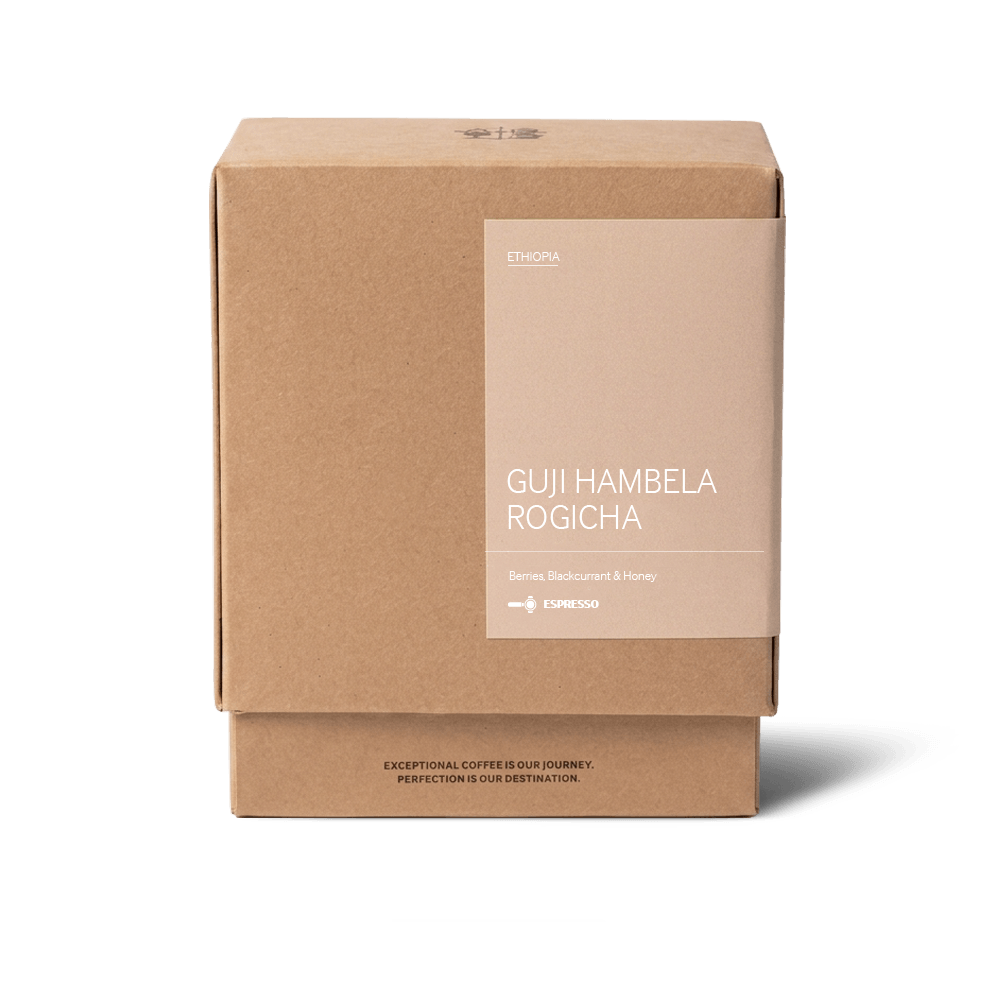
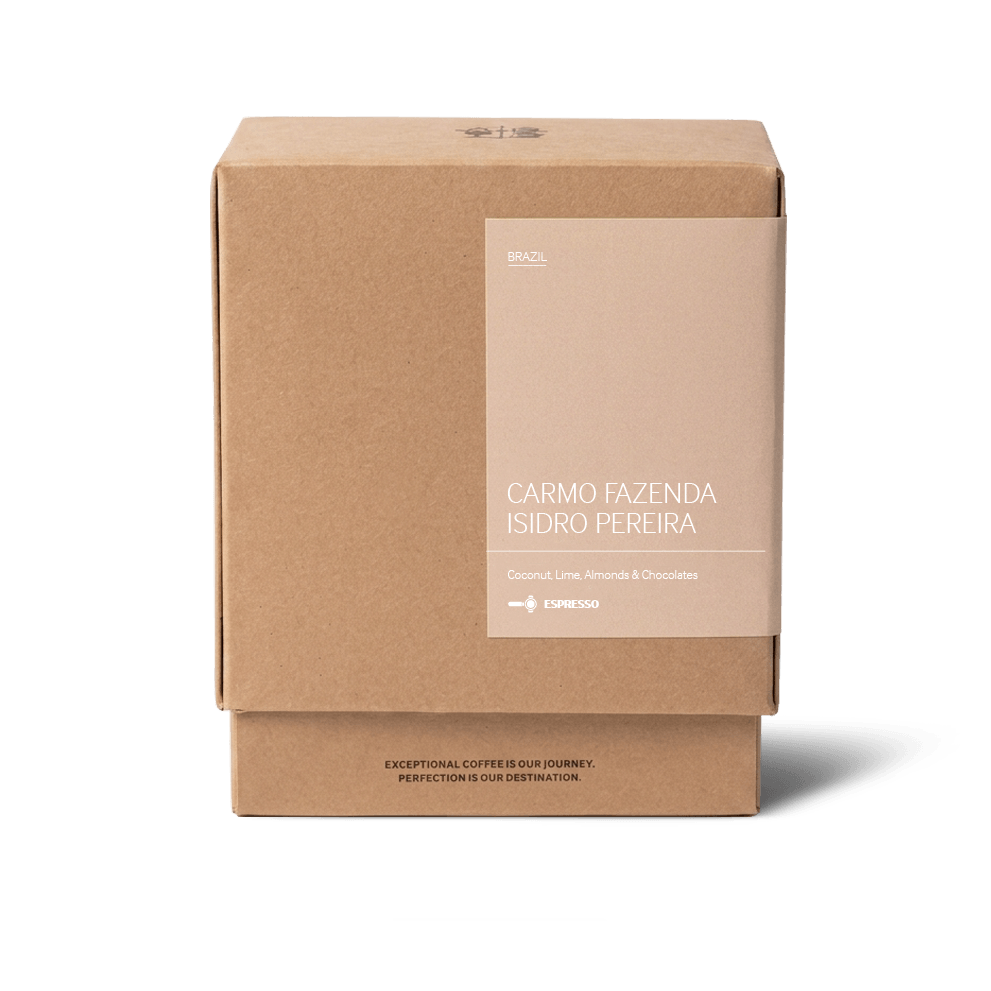



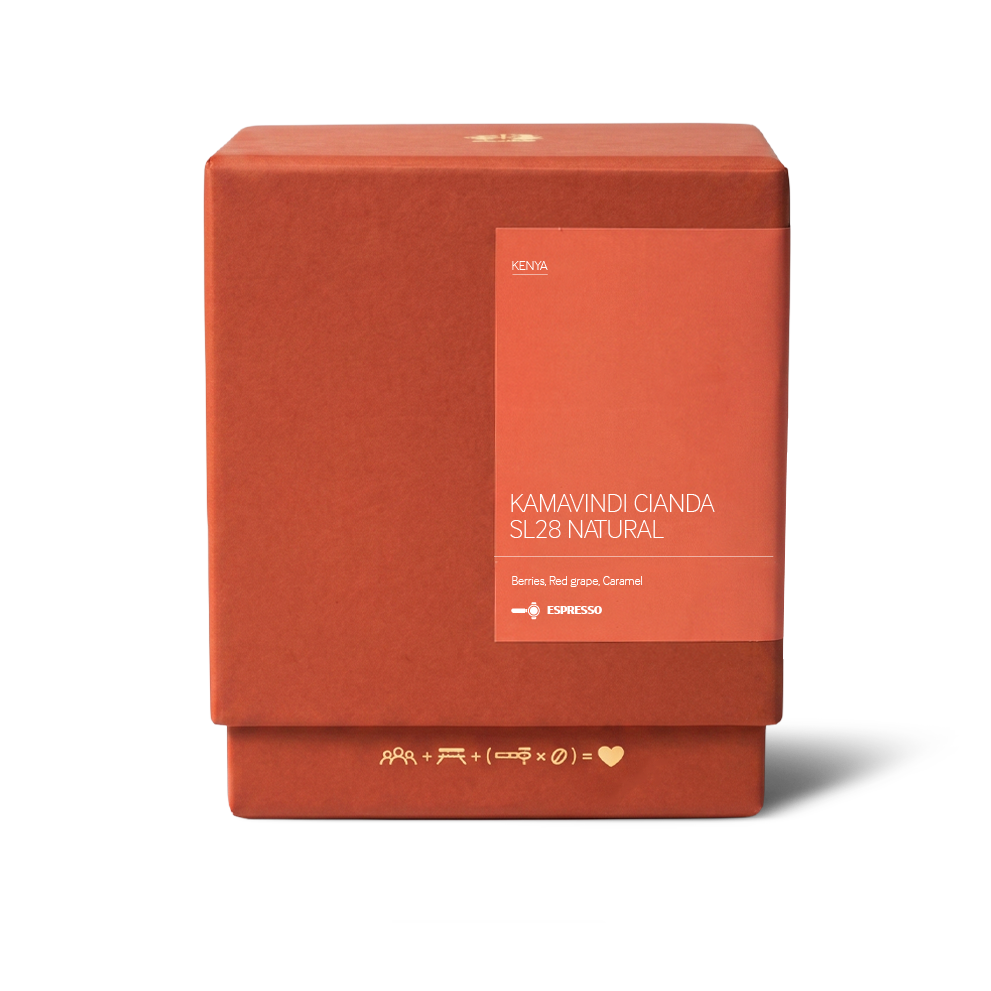
Kamavindi Cianda SL28 Natural
Tasting notes
 Natural
 Washed
 Honey
Honey
 Experimental
 Natural Lactic Fermentation
 Natural DRD
 Culturing Washed
 Wave Natural
Dark Room Natural
Natural Cold Fermentation
Washed Anaerobic
Natural Anaerobic
Super Natural
Natural Dry Fermentation Mosto
Natural River Flow Fermentation
Natural Bosque
Anaerobic Natural
Anaerobic washed
Cold Dry Fermentation
Anaerobic Honey
Oxidation Natural
River Flow Natural
Co-Fermented Washed
Natural Dark Room
Natural Fermented
Wild Honey
Waterfall
84 H
Oxidized Natural
Natural Oxidation
Nitro Advanced Washed
Natural ASD
Wave Natural
Dark Room Natural
Natural Cold Fermentation
Washed Anaerobic
Natural Anaerobic
Super Natural
Natural Dry Fermentation Mosto
Natural River Flow Fermentation
Natural Bosque
Anaerobic Natural
Anaerobic washed
Cold Dry Fermentation
Anaerobic Honey
Oxidation Natural
River Flow Natural
Co-Fermented Washed
Natural Dark Room
Natural Fermented
Wild Honey
Waterfall
84 H
Oxidized Natural
Natural Oxidation
Nitro Advanced Washed
Natural ASD
Cianda Estate SL28 Natural
This coffee begins with the careful selection of fully ripe cherries by dedicated smallholder farmers, who selectively handpick only the highest-quality fruit before delivering it to Giakanja Factory for processing. Upon arrival, the cherries undergo a rigorous quality control procedure supervised by the Cherry Clerk, including detailed visual inspection and a flotation test to remove underripe, overripe, and damaged cherries. This ensures that only dense, uniformly ripe cherries continue through the processing system.
Once accepted, the cherries are pulped to remove the outer skin and fruit before entering a carefully controlled fermentation stage. This process breaks down the remaining mucilage surrounding the parchment and contributes to the coffee's complex flavor development while maintaining the clean, vibrant character for which Kenyan coffees are renowned.
Following fermentation, the parchment coffee is thoroughly washed with clean water to remove any residual mucilage and then transferred to raised drying beds. During drying, workers regularly rake and turn the coffee to ensure even moisture loss and prevent defects caused by uneven drying. To preserve quality, the parchment is covered during the hottest hours of the day to slow the drying process and avoid case-hardening, then covered again at night to protect it from dew, rainfall, and excess moisture.
This meticulous approach helps maintain bean integrity and consistency throughout the drying cycle, resulting in a refined and expressive cup profile with exceptional clarity and sweetness.
About Cianda Estate
Cianda Estate is one of Kenya's historic coffee farms, with a legacy dating back to 1928. Originally established during the colonial era and later purchased from the government, the estate is now owned by the family of the late Njenga Karume, a respected Kenyan businessman and public leader. Today, the estate is managed by his children, preserving its longstanding reputation for quality coffee production.
Located in Kiambu County, Kenya's traditional coffee heartland, Cianda Estate produces both coffee and tea on approximately 100 hectares of land. More than 70 hectares are planted with renowned coffee varieties including SL28, SL34, and Ruiru 11. The estate benefits from Kiambu's rich red volcanic soils, high organic matter content, and favorable growing conditions, which contribute to the complexity and quality of its coffees.
Despite increasing urban development in the region, which has led many historic coffee farms to be converted into residential and industrial projects, Cianda Estate continues to thrive as one of Kenya's enduring coffee-producing properties.
Natural Processing Innovation
In response to growing global demand for naturally processed coffees, Cianda Estate began experimenting with natural lots while maintaining the rigorous quality standards traditionally associated with Kenyan coffee production. Through careful processing, meticulous drying practices, and extensive quality control, these experimental lots have delivered exceptional results.
This particular lot is produced exclusively from the renowned SL28 variety, known for its vibrant acidity and outstanding cup quality. The result is a distinctive coffee featuring bright berry-like acidity, bold tropical fruit sweetness, and a lingering bittersweet chocolate finish, offering a unique expression of Kenyan terroir and craftsmanship.
The estate is managed full-time by Jeremy Githinji, whose dedication and attention to detail, together with a skilled team, help ensure consistent quality from harvest through processing and export.
SPECIALTY COFFEE
This coffee begins with the careful selection of fully ripe cherries by dedicated smallholder farmers, who selectively handpick only the highest-quality fruit before delivering it to Giakanja Factory for processing. Upon arrival, the cherries undergo a rigorous quality control procedure supervised by the Cherry Clerk, including detailed visual inspection and a flotation test to remove underripe, overripe, and damaged cherries. This ensures that only dense, uniformly ripe cherries continue through the processing system.
Once accepted, the cherries are pulped to remove the outer skin and fruit before entering a carefully controlled fermentation stage. This process breaks down the remaining mucilage surrounding the parchment and contributes to the coffee's complex flavor development while maintaining the clean, vibrant character for which Kenyan coffees are renowned.
Following fermentation, the parchment coffee is thoroughly washed with clean water to remove any residual mucilage and then transferred to raised drying beds. During drying, workers regularly rake and turn the coffee to ensure even moisture loss and prevent defects caused by uneven drying. To preserve quality, the parchment is covered during the hottest hours of the day to slow the drying process and avoid case-hardening, then covered again at night to protect it from dew, rainfall, and excess moisture.
This meticulous approach helps maintain bean integrity and consistency throughout the drying cycle, resulting in a refined and expressive cup profile with exceptional clarity and sweetness.
Cianda Estate is one of Kenya's historic coffee farms, with a legacy dating back to 1928. Originally established during the colonial era and later purchased from the government, the estate is now owned by the family of the late Njenga Karume, a respected Kenyan businessman and public leader. Today, the estate is managed by his children, preserving its longstanding reputation for quality coffee production.
Located in Kiambu County, Kenya's traditional coffee heartland, Cianda Estate produces both coffee and tea on approximately 100 hectares of land. More than 70 hectares are planted with renowned coffee varieties including SL28, SL34, and Ruiru 11. The estate benefits from Kiambu's rich red volcanic soils, high organic matter content, and favorable growing conditions, which contribute to the complexity and quality of its coffees.
Despite increasing urban development in the region, which has led many historic coffee farms to be converted into residential and industrial projects, Cianda Estate continues to thrive as one of Kenya's enduring coffee-producing properties.
In response to growing global demand for naturally processed coffees, Cianda Estate began experimenting with natural lots while maintaining the rigorous quality standards traditionally associated with Kenyan coffee production. Through careful processing, meticulous drying practices, and extensive quality control, these experimental lots have delivered exceptional results.
This particular lot is produced exclusively from the renowned SL28 variety, known for its vibrant acidity and outstanding cup quality. The result is a distinctive coffee featuring bright berry-like acidity, bold tropical fruit sweetness, and a lingering bittersweet chocolate finish, offering a unique expression of Kenyan terroir and craftsmanship.
The estate is managed full-time by Jeremy Githinji, whose dedication and attention to detail, together with a skilled team, help ensure consistent quality from harvest through processing and export.
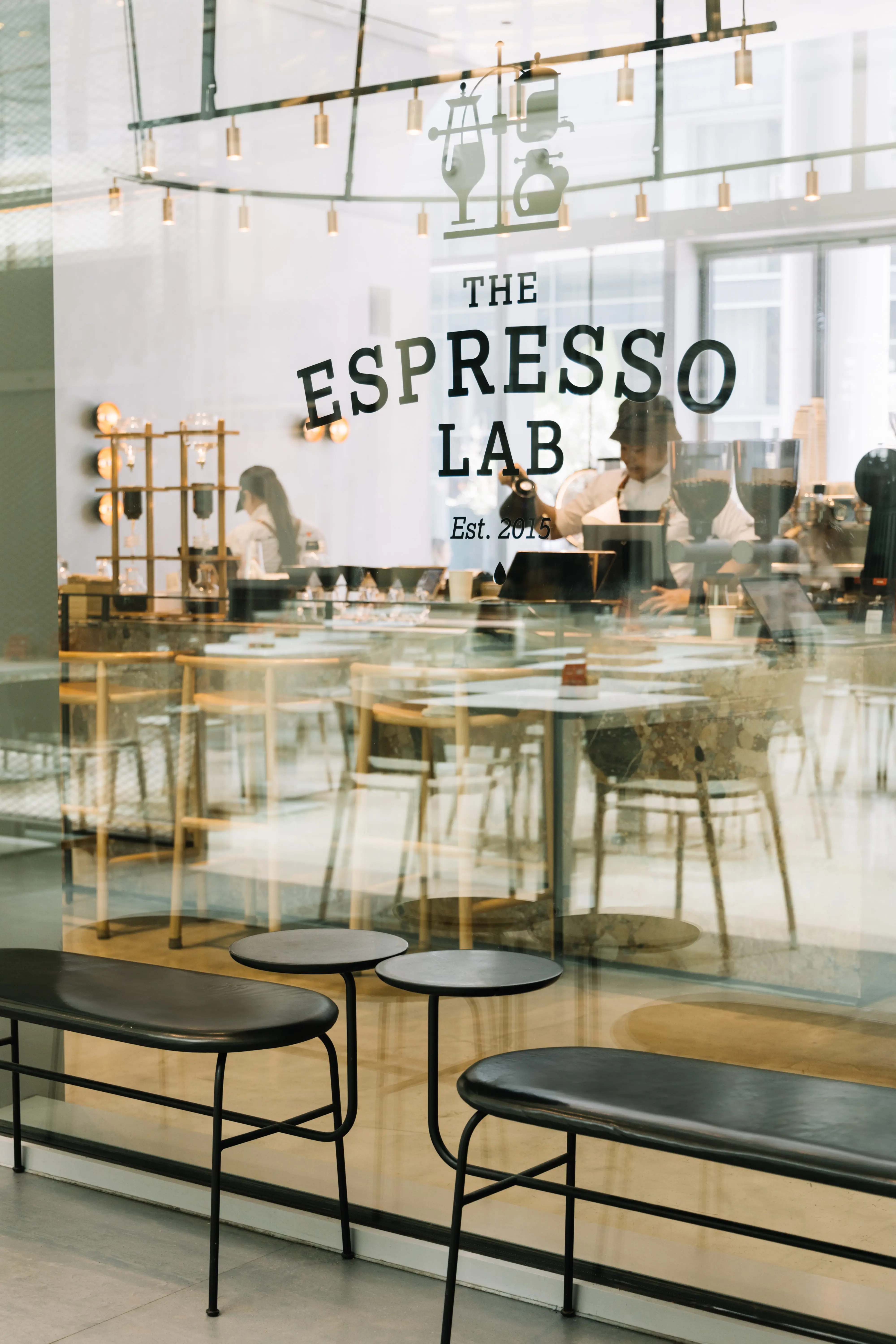
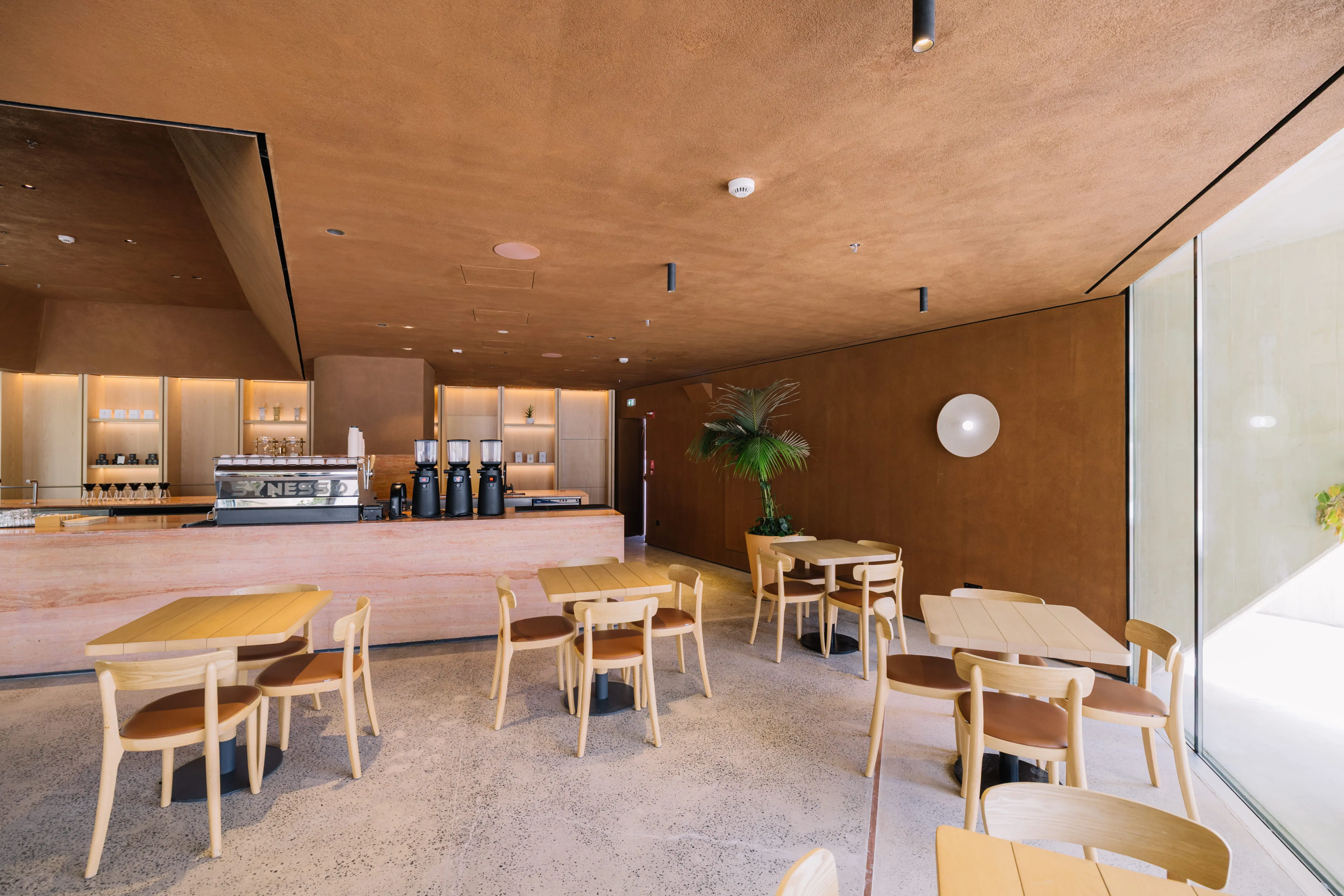
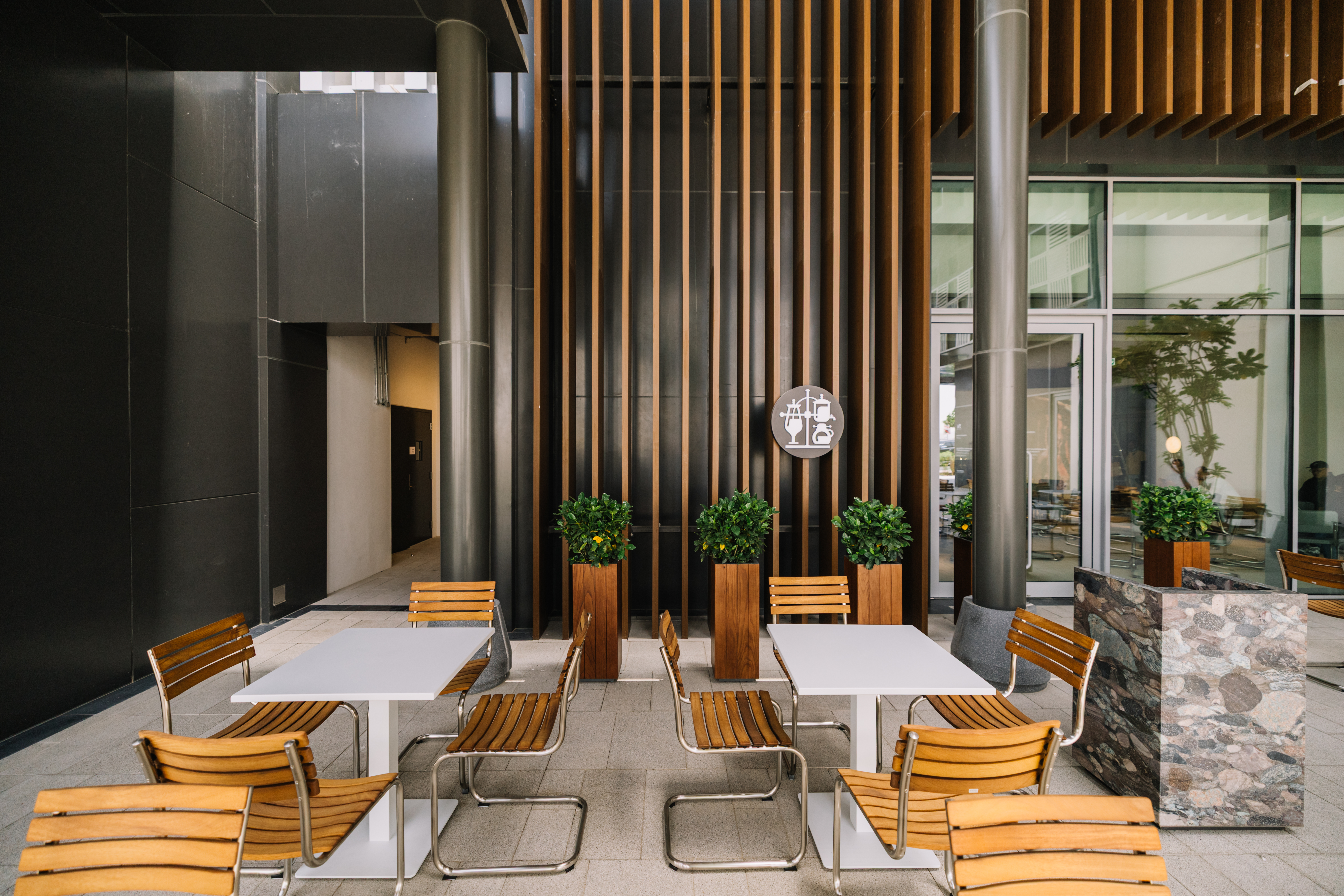
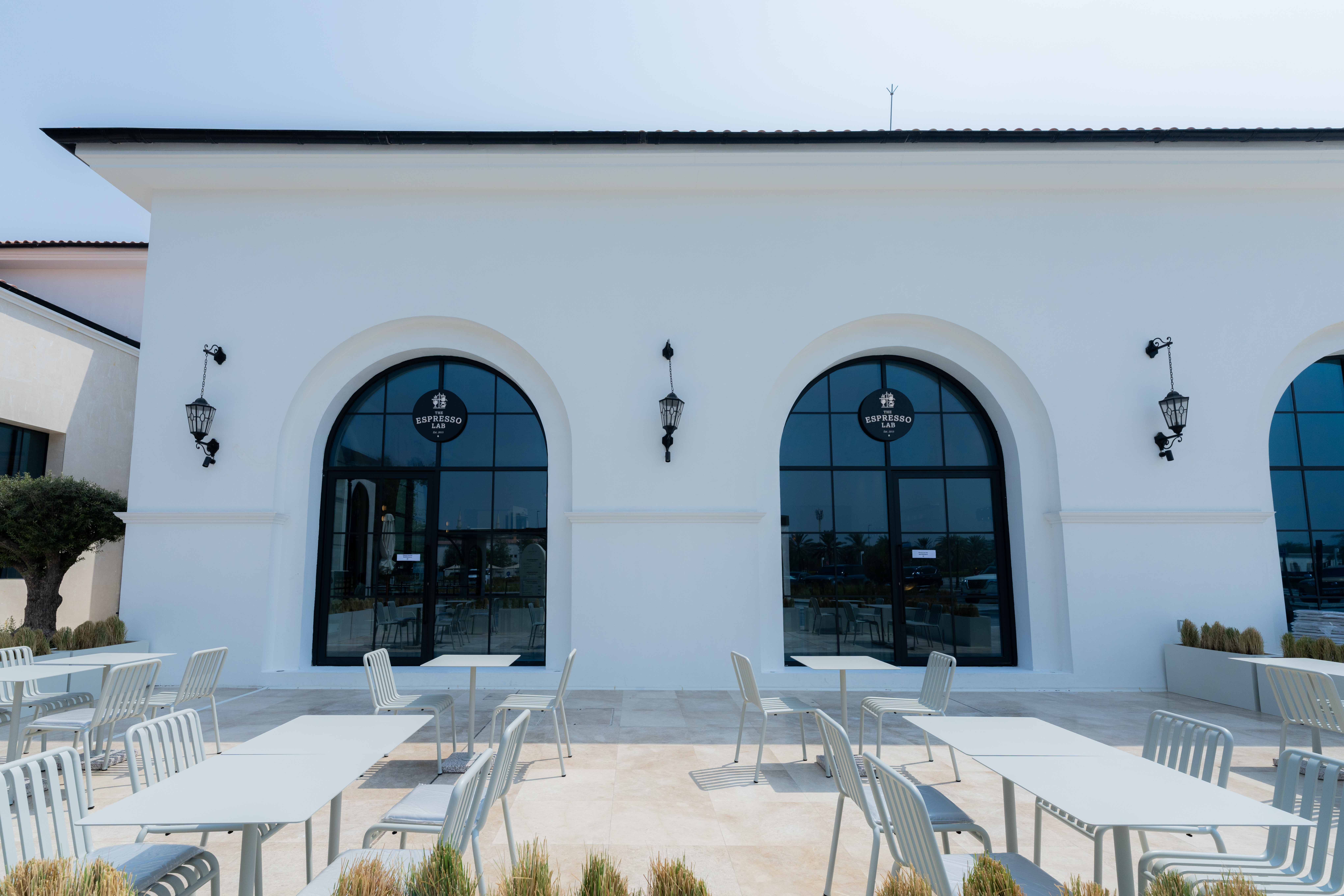
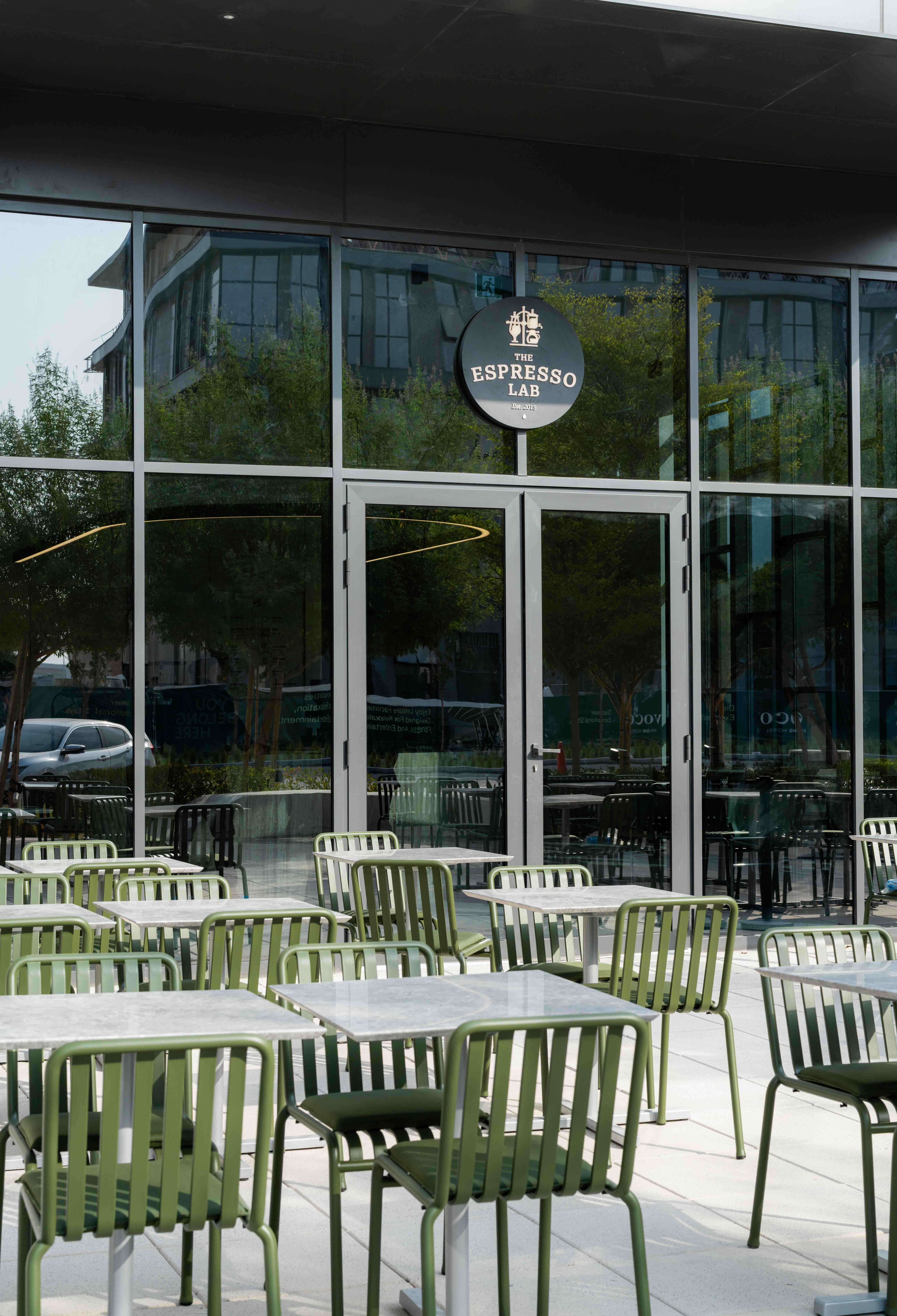
Experience The Espresso LabIn Person
From refined details and aesthetics to a thoughtfully created atmosphere, every corner of each outlet is designed with intention - perfectly paired with coffee to offer a sense of serenity and a welcoming experience.