

 espresso


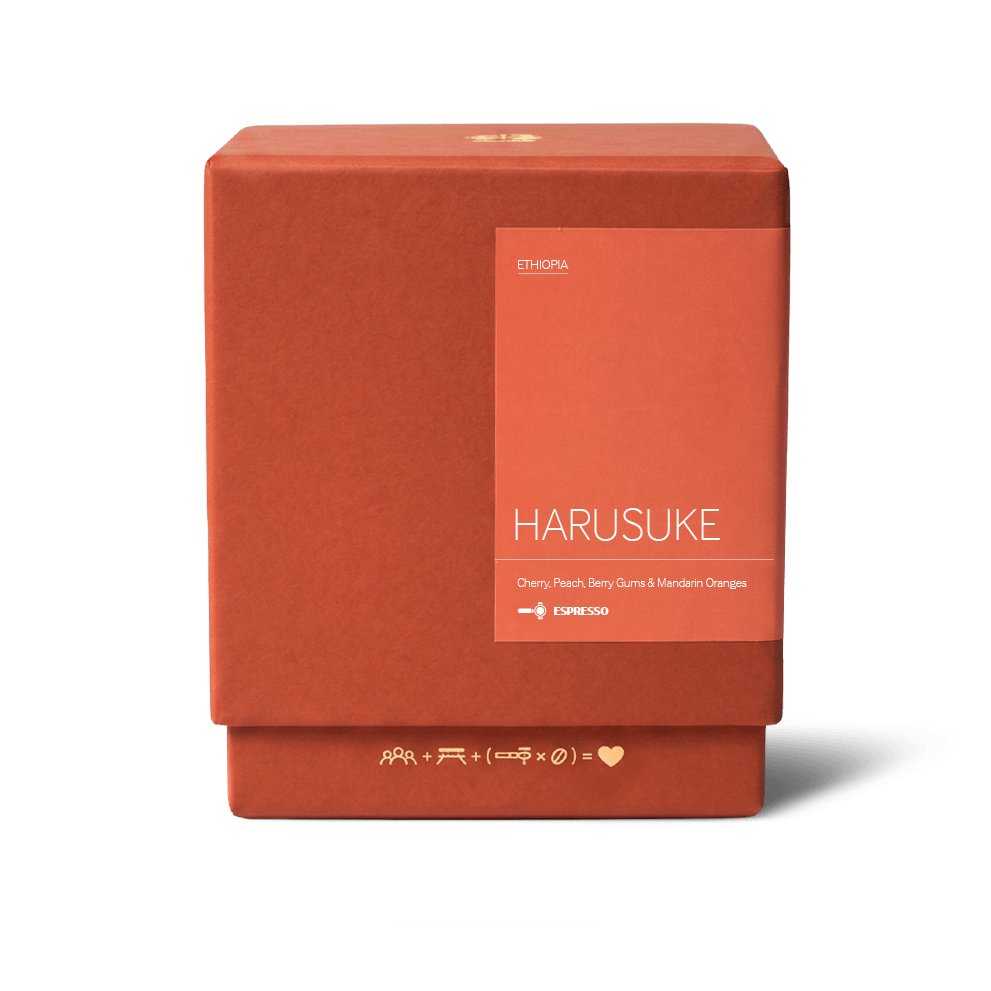




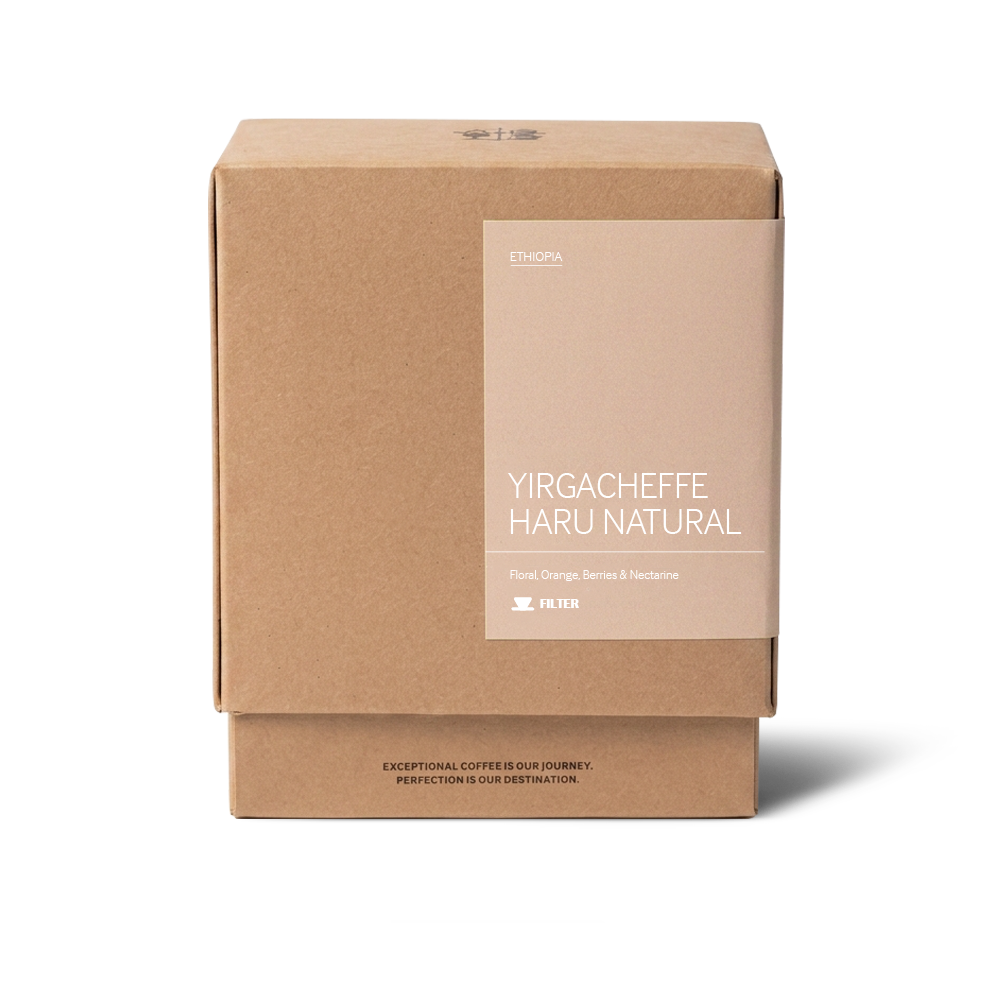
Ethiopia
Yirgacheffe Haru Natural
80.00 AED
TAX Inclusive
Shipping calculated at checkout.
Tasting notes
Elevation:
2,200 m
Variety:
Heirloom
Process Type:
Natural
Producer:
Daniel Abrera
 Natural
 Washed
 Honey
Honey
 Experimental
 Natural Lactic Fermentation
 Natural DRD
 Culturing Washed
 Wave Natural
Dark Room Natural
Natural Cold Fermentation
Washed Anaerobic
Natural Anaerobic
Super Natural
Natural Dry Fermentation Mosto
Natural River Flow Fermentation
Natural Bosque
Anaerobic Natural
Anaerobic washed
Cold Dry Fermentation
Anaerobic Honey
Oxidation Natural
River Flow Natural
Co-Fermented Washed
Natural Dark Room
Natural Fermented
Wild Honey
Waterfall
84 H
Oxidized Natural
Natural Oxidation
Nitro Advanced Washed
Natural ASD
Wave Natural
Dark Room Natural
Natural Cold Fermentation
Washed Anaerobic
Natural Anaerobic
Super Natural
Natural Dry Fermentation Mosto
Natural River Flow Fermentation
Natural Bosque
Anaerobic Natural
Anaerobic washed
Cold Dry Fermentation
Anaerobic Honey
Oxidation Natural
River Flow Natural
Co-Fermented Washed
Natural Dark Room
Natural Fermented
Wild Honey
Waterfall
84 H
Oxidized Natural
Natural Oxidation
Nitro Advanced Washed
Natural ASD
Located in the village of Haru in Ethiopia's famous Yirgacheffe coffee-growing region, where thousands of smallholder farmers cultivate coffee at elevations ranging from approximately 1,950 to 2,300 meters above sea level. Established in 1979 and recognized as one of the pioneering washing stations to bring high-quality Ethiopian coffee to international markets, Haru has built a reputation for producing exceptionally clean and expressive coffees that showcase the floral and fruit-forward character of Yirgacheffe. The station receives ripe coffee cherries from surrounding farming communities and processes them using meticulous quality-control protocols, including hand-sorting, controlled fermentation, and slow drying on raised African beds.
After hand-picking only the ripest cherries, farmers carefully sort and spread them on raised African drying beds, where they dry whole with the fruit intact for approximately 15 to 25 days, depending on weather conditions. Throughout the drying period, the cherries are regularly turned and meticulously monitored to ensure even moisture reduction and prevent defects. As the fruit slowly dries around the bean, sugars and fruit compounds are absorbed into the seed, creating coffees with pronounced sweetness, vibrant fruit character, and complex aromatics.
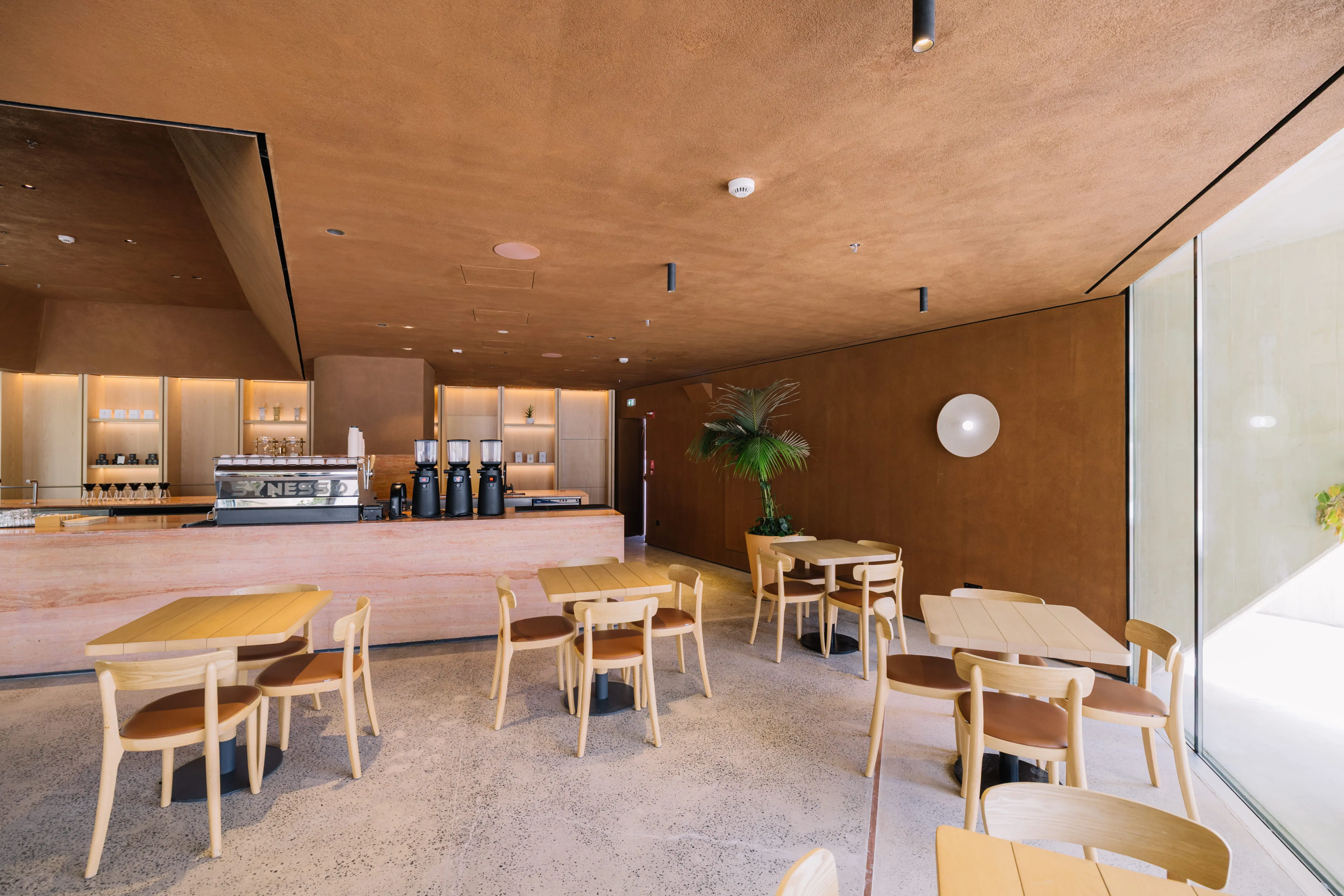
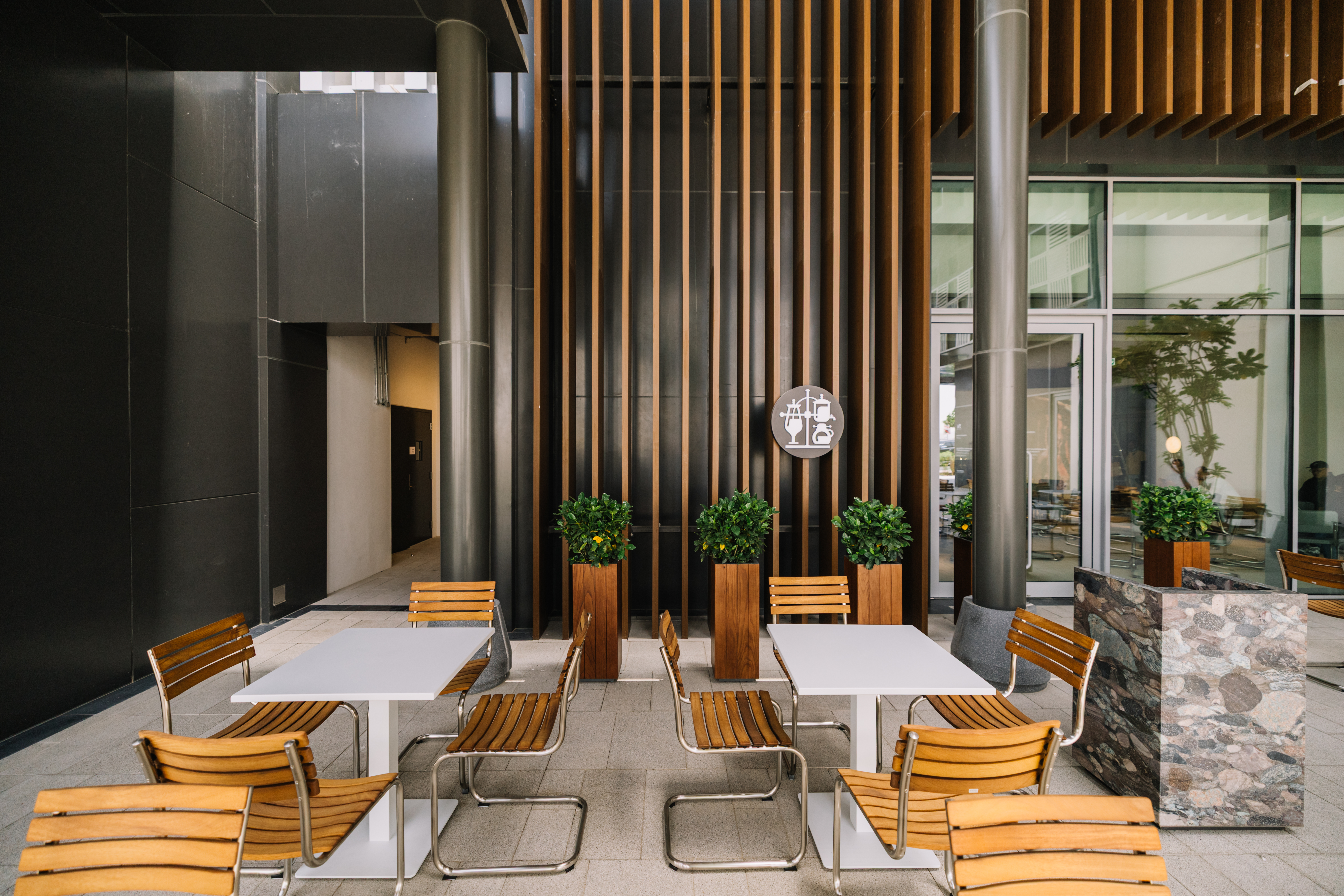
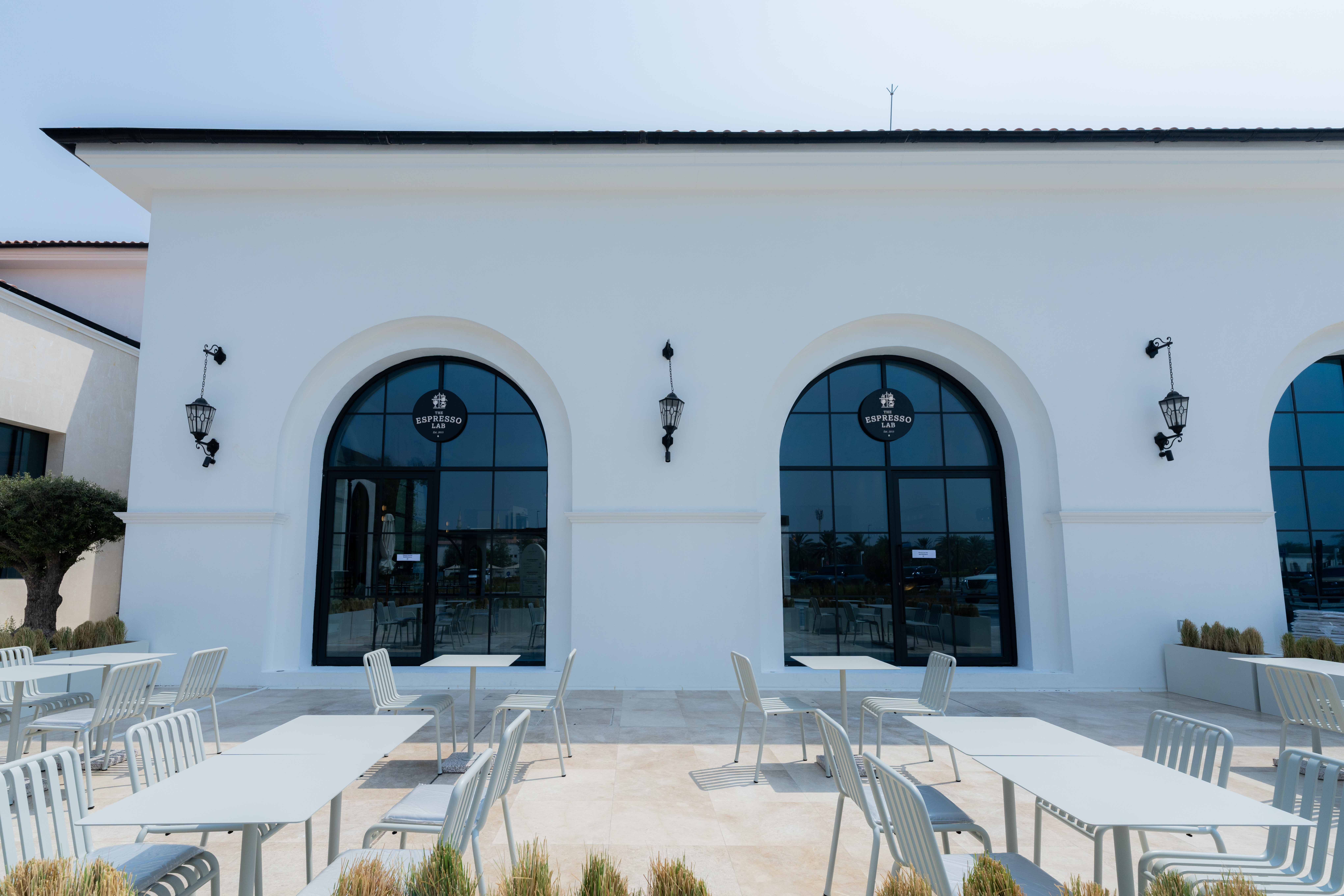
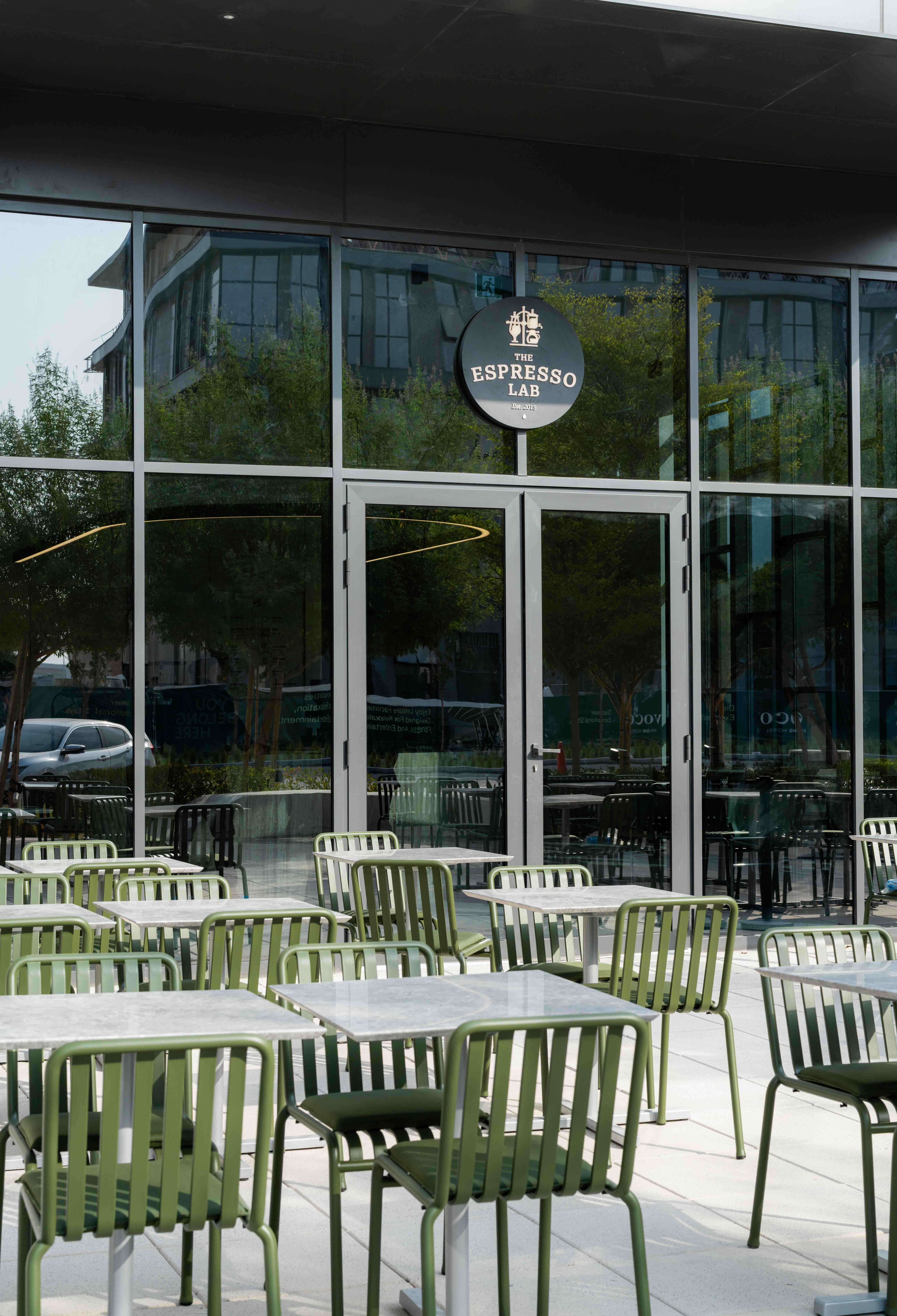
Experience The Espresso LabIn Person
From refined details and aesthetics to a thoughtfully created atmosphere, every corner of each outlet is designed with intention - perfectly paired with coffee to offer a sense of serenity and a welcoming experience.